Dhanushkodi Regional Revitalization Strategy
Integrated coastal master plan aligning transport corridors, resilience strategies, and tourism infrastructure under environmental constraints.
(Adithya, Balaji, Saloni - Sponge Collaborative)
2022-23
( Master Planning Documentation, Urban Frameworking, Mobility Planning, Site Analysis )
Project Architect & Urban Planner


Summary
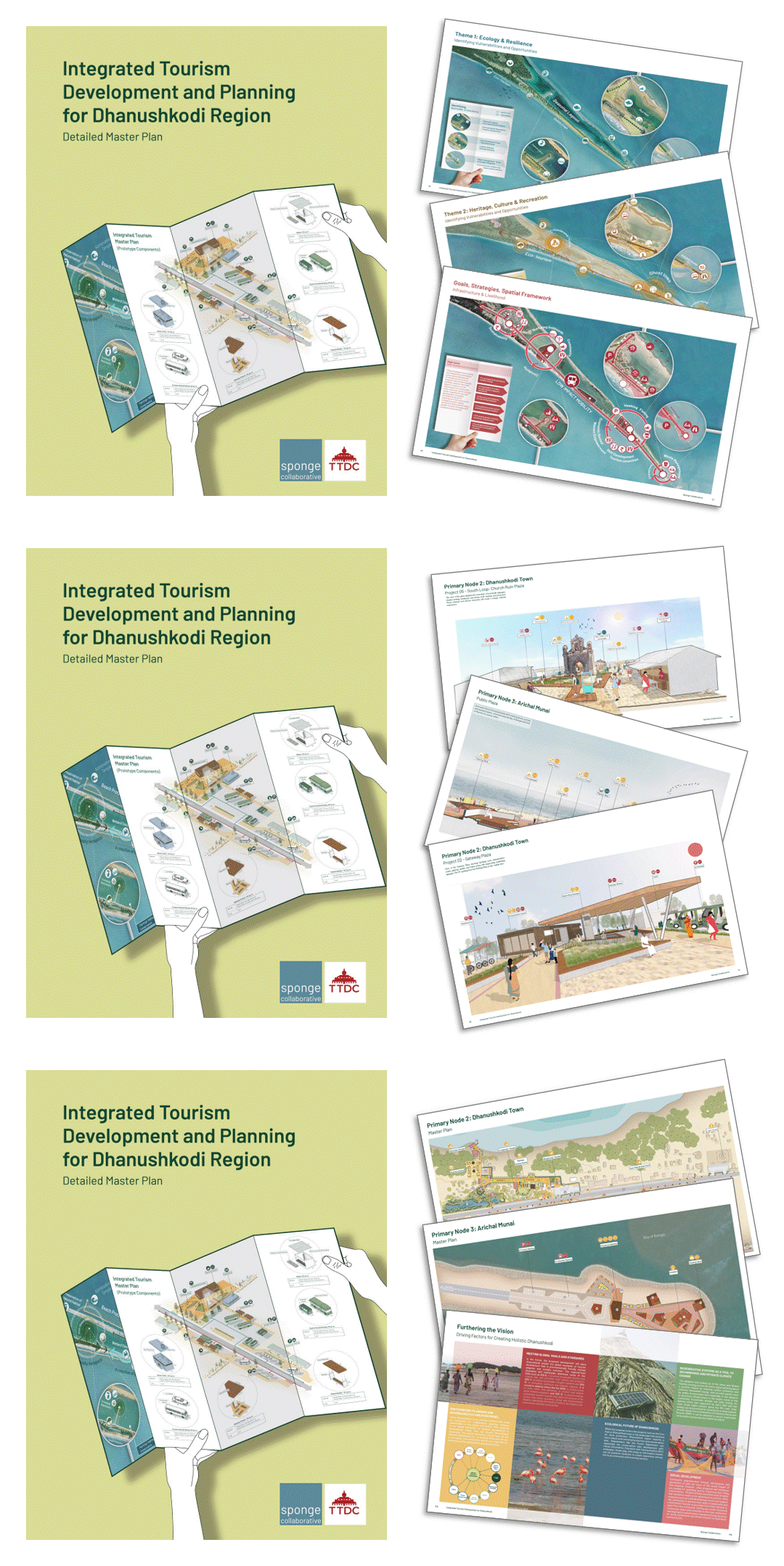
Developed an integrated regional master plan for Dhanushkodi, a fragile coastal town with significant tourism, ecological, and heritage value. The project combined spatial analysis, mobility planning, and place-based design to structure tourism growth while preserving environmental and cultural systems. The outcome was a scalable planning framework aligning infrastructure, tourism, and resilience strategies.
Approach
Dhanushkodi lacked structured mobility, defined public infrastructure, and organized tourism nodes, resulting in congestion, ecological degradation, and fragmented visitor experience. The absence of coordinated planning limited both economic potential and long-term environmental sustainability.
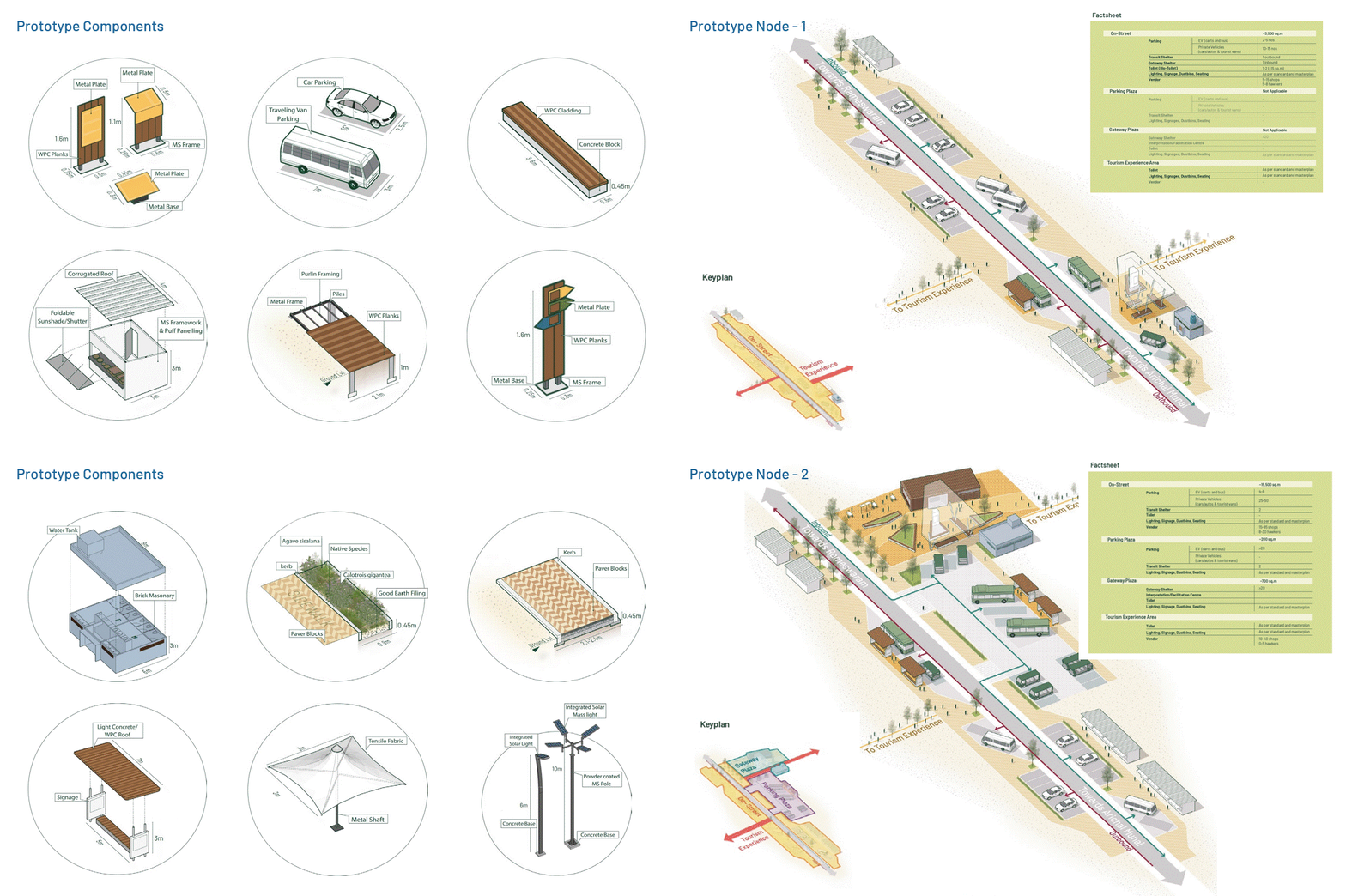
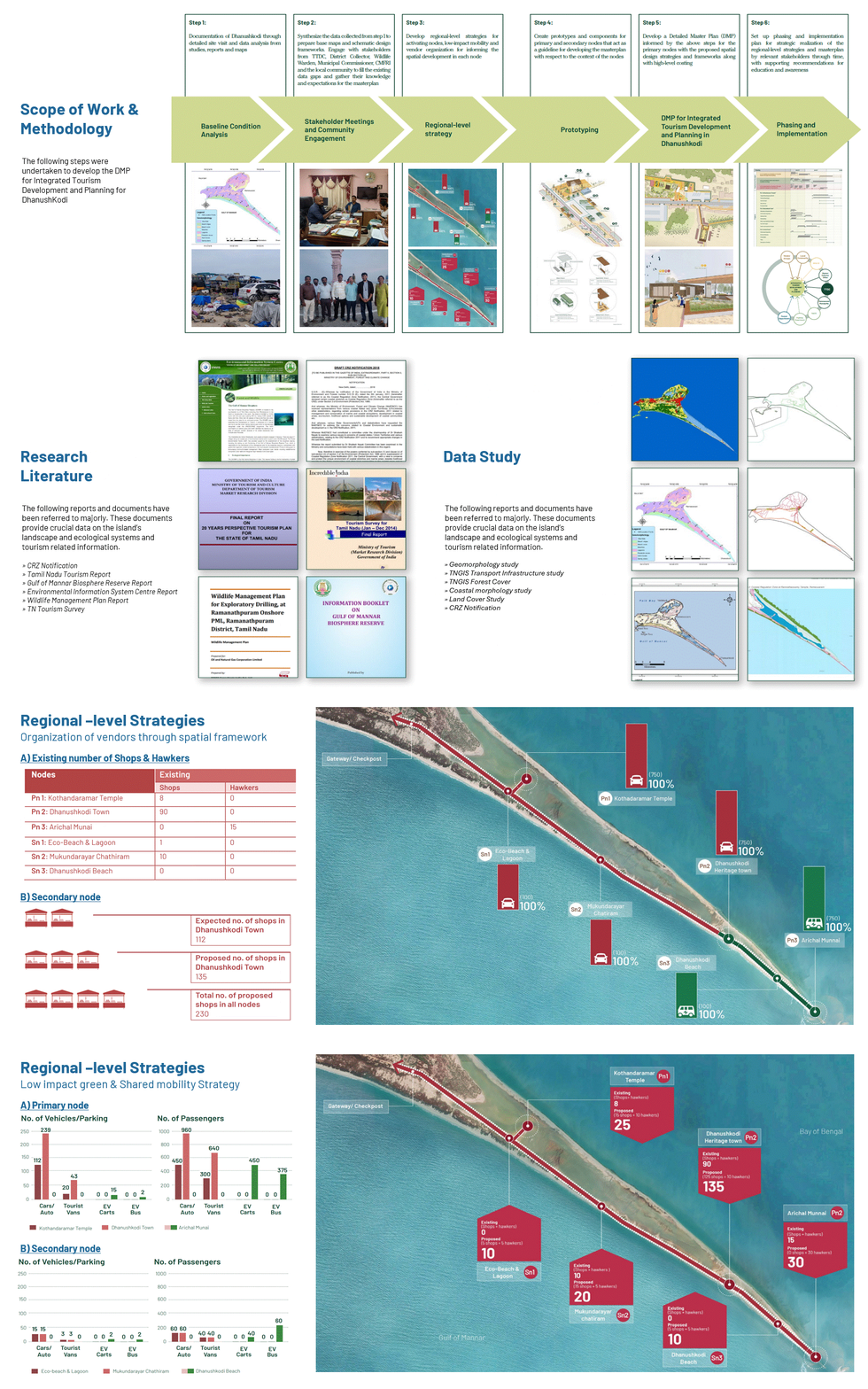
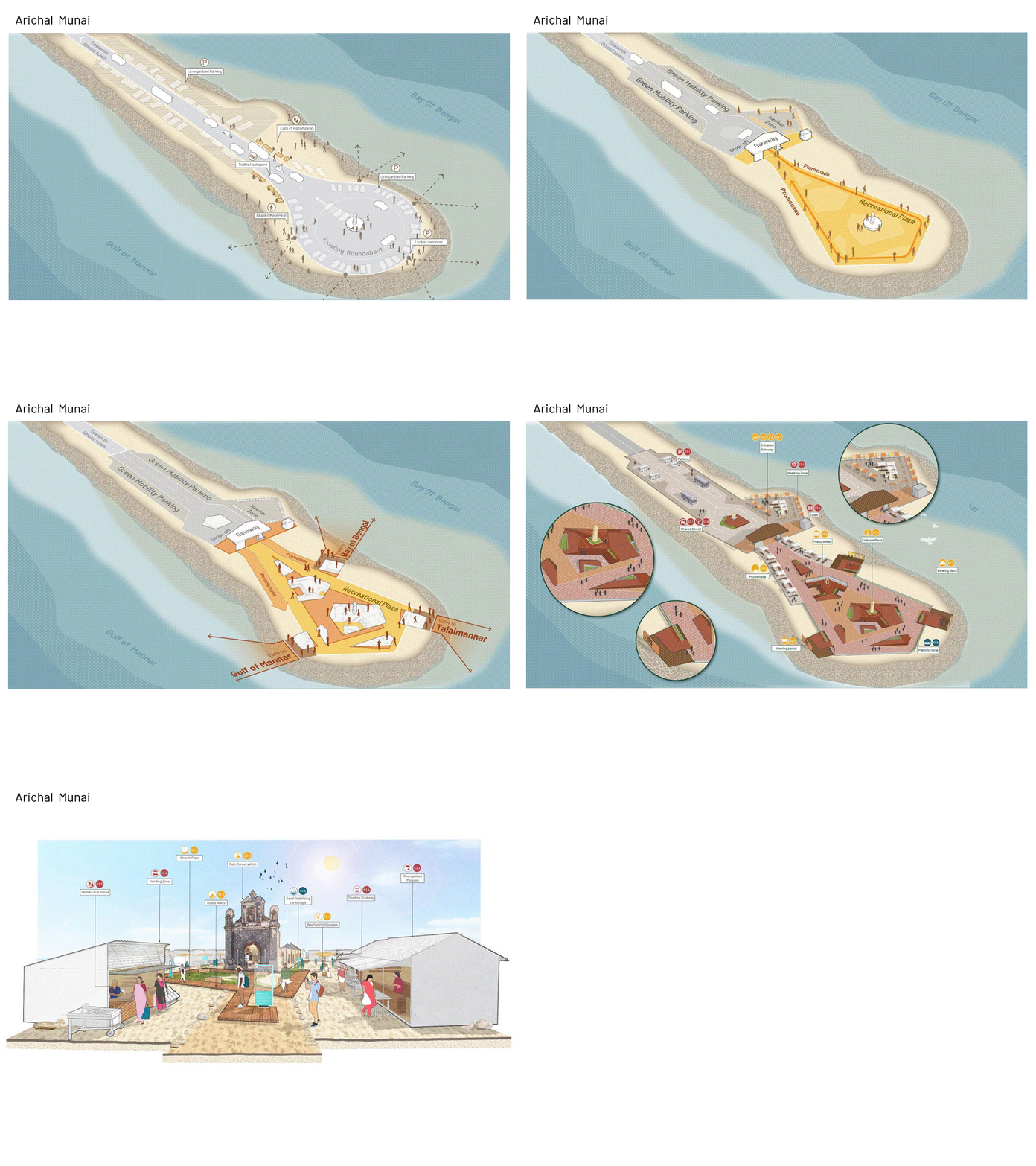
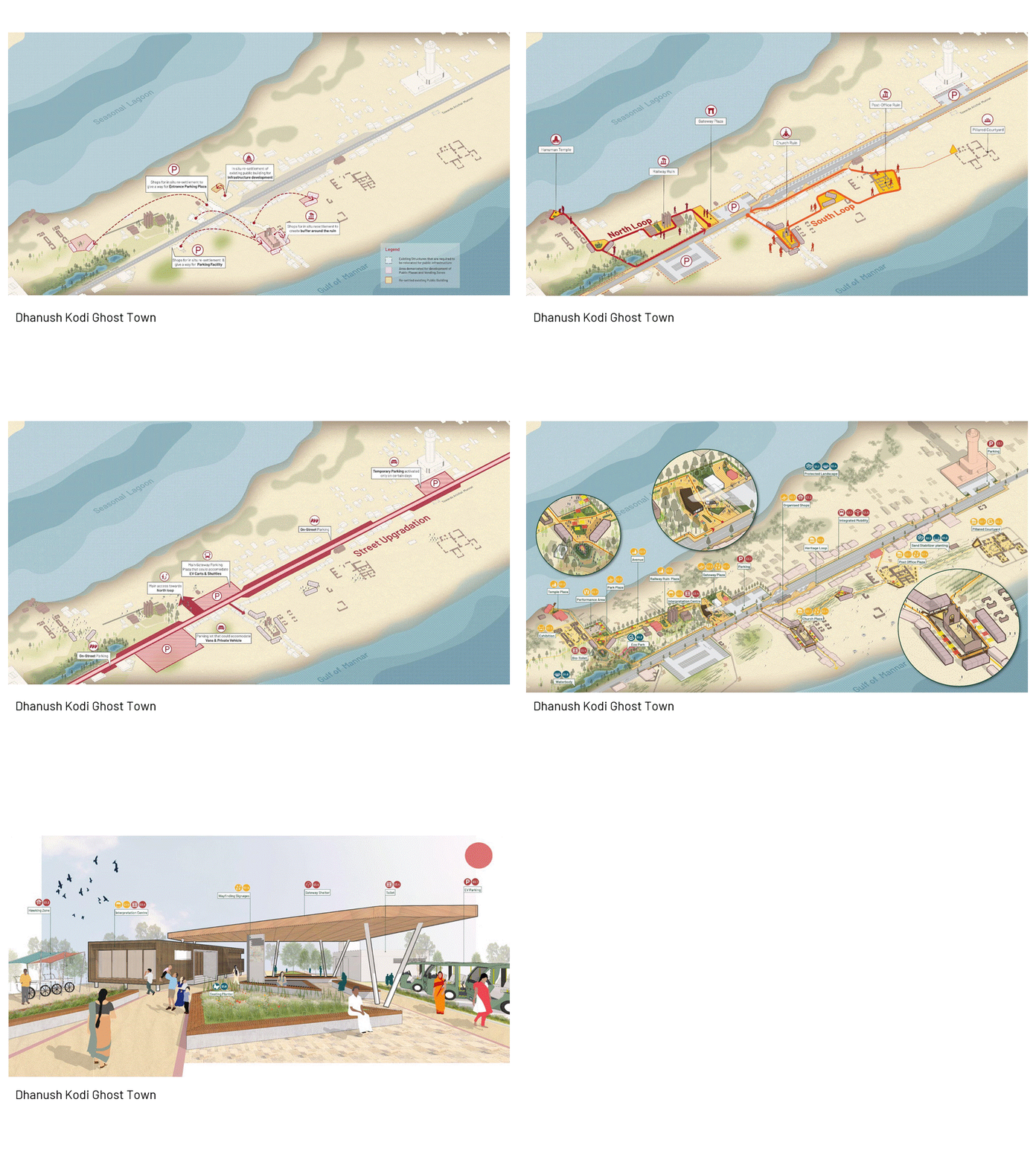
Conducted spatial mapping, land-use analysis, and stakeholder-informed planning to identify priority tourism nodes and infrastructure gaps. Developed a systems-based regional framework integrating multimodal mobility, ecological conservation zones, and structured public space networks. Designed scalable infrastructure prototypes—including transit shelters, pedestrian corridors, and service nodes—to support phased implementation.
Results
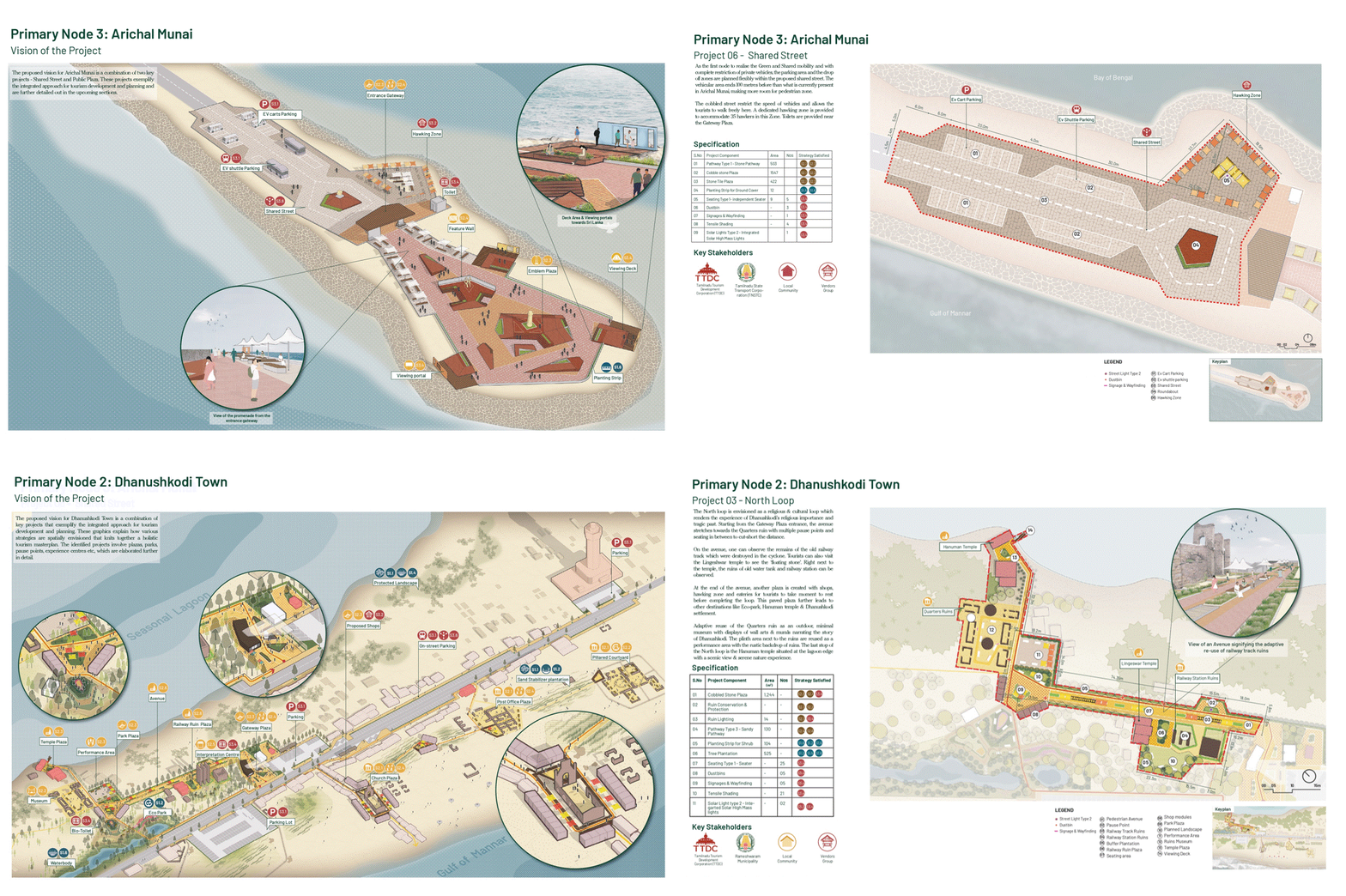
Established a regional planning structure identifying primary and secondary tourism nodes linked through integrated mobility corridors. Delivered detailed spatial master plans including circulation systems, public space design, parking frameworks, and infrastructure components. Developed modular infrastructure prototypes adaptable across multiple nodes, enabling scalable deployment aligned with projected tourism growth.
Impacts
Created a long-term planning vision supporting sustainable tourism, mobility integration, and coastal resilience. The framework demonstrated how spatial planning can transform fragile, unstructured regions into coordinated regional systems. The project strengthened my ability to work at regional scale, integrating transportation, land use, and infrastructure planning into implementable spatial strategies.
Want to discuss more about
this project ?