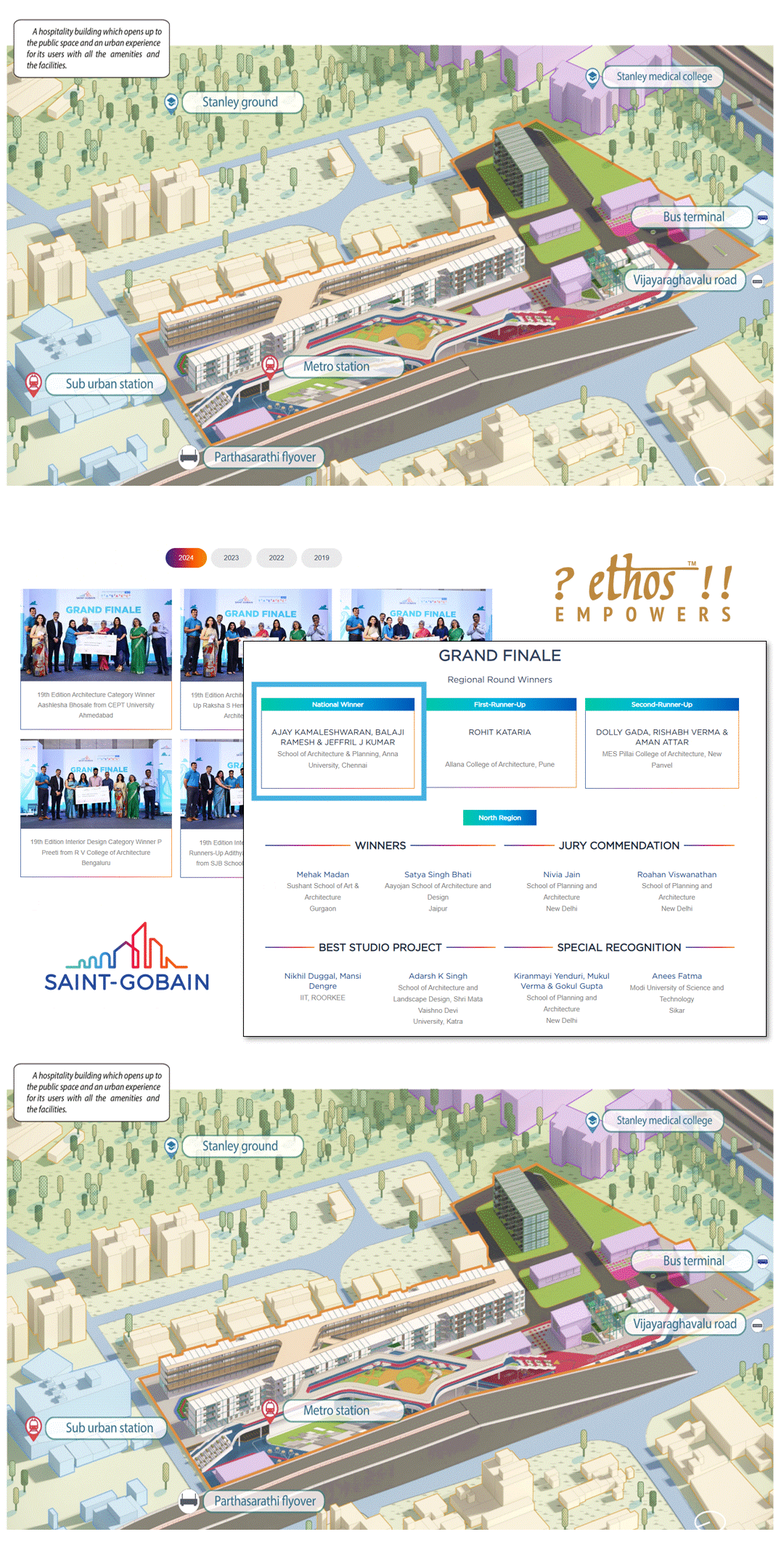
Metrohood: Transit-Oriented Neighborhood Planning Framework
TOD-based neighborhood restructuring integrating land use, density planning, and multimodal connectivity around transit nodes for community development..
(Ajay, Balaji, Jefril)
2019
Land-Use , Transit Analysis, Mobility Network Planning, Spatial Strategy Development
Urban Systems Designer – Transit-Oriented Development | Land-Use Strategy

Summary
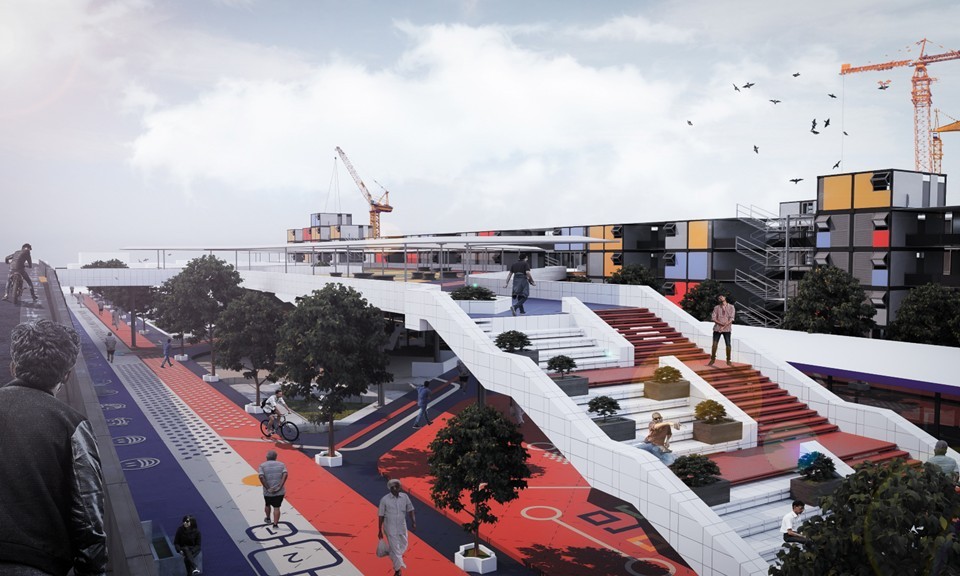
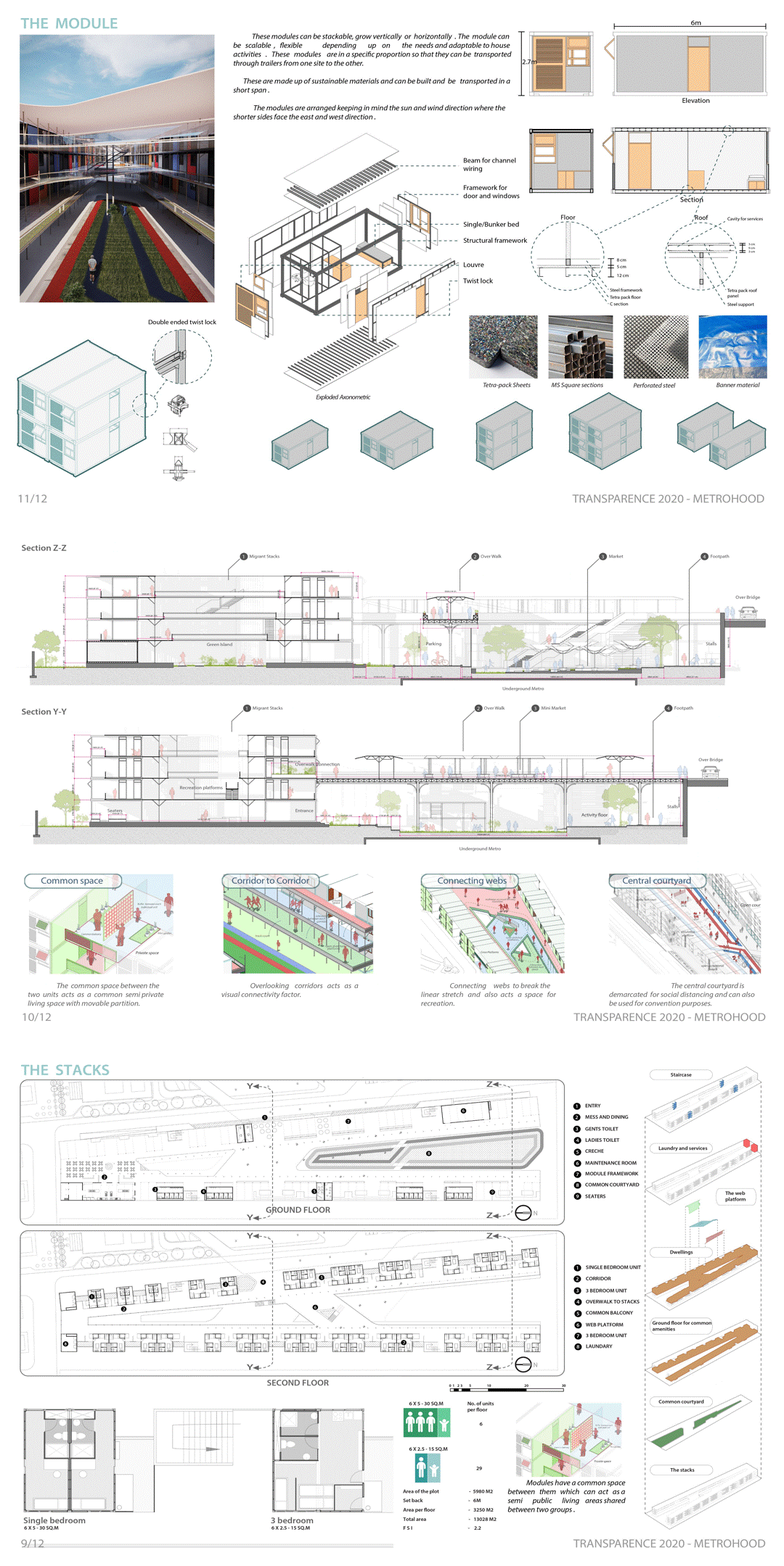
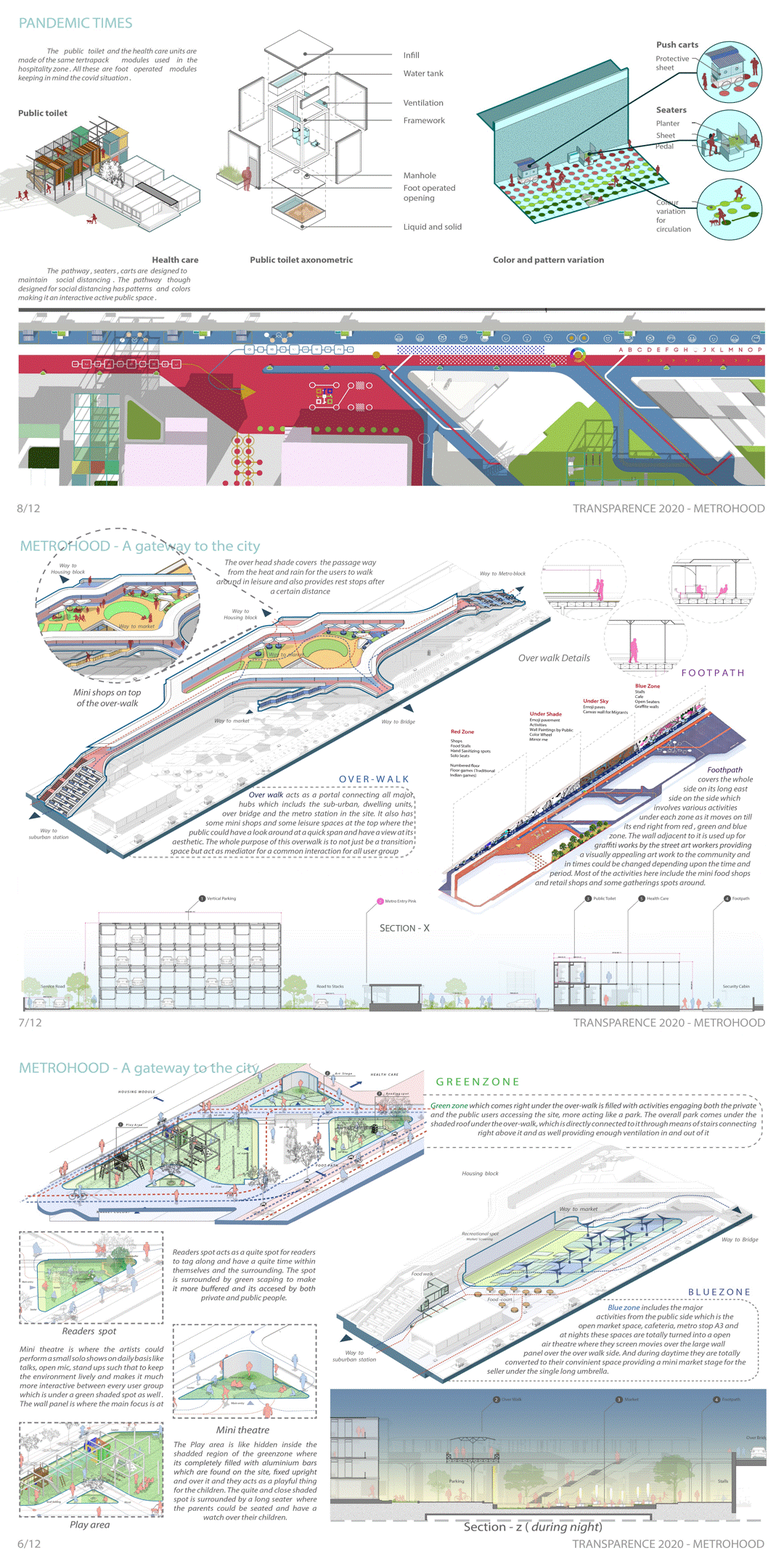
Metro-hood reimagines underutilized transit station parking infrastructure as mixed-use community environments that integrate mobility, housing, and public space. The project proposes a modular spatial framework to transform transit nodes into active urban destinations supporting social interaction, economic activity, and temporary housing. By leveraging transit accessibility and adaptive infrastructure, the design demonstrates how mobility corridors can evolve into inclusive urban ecosystems.
Approach
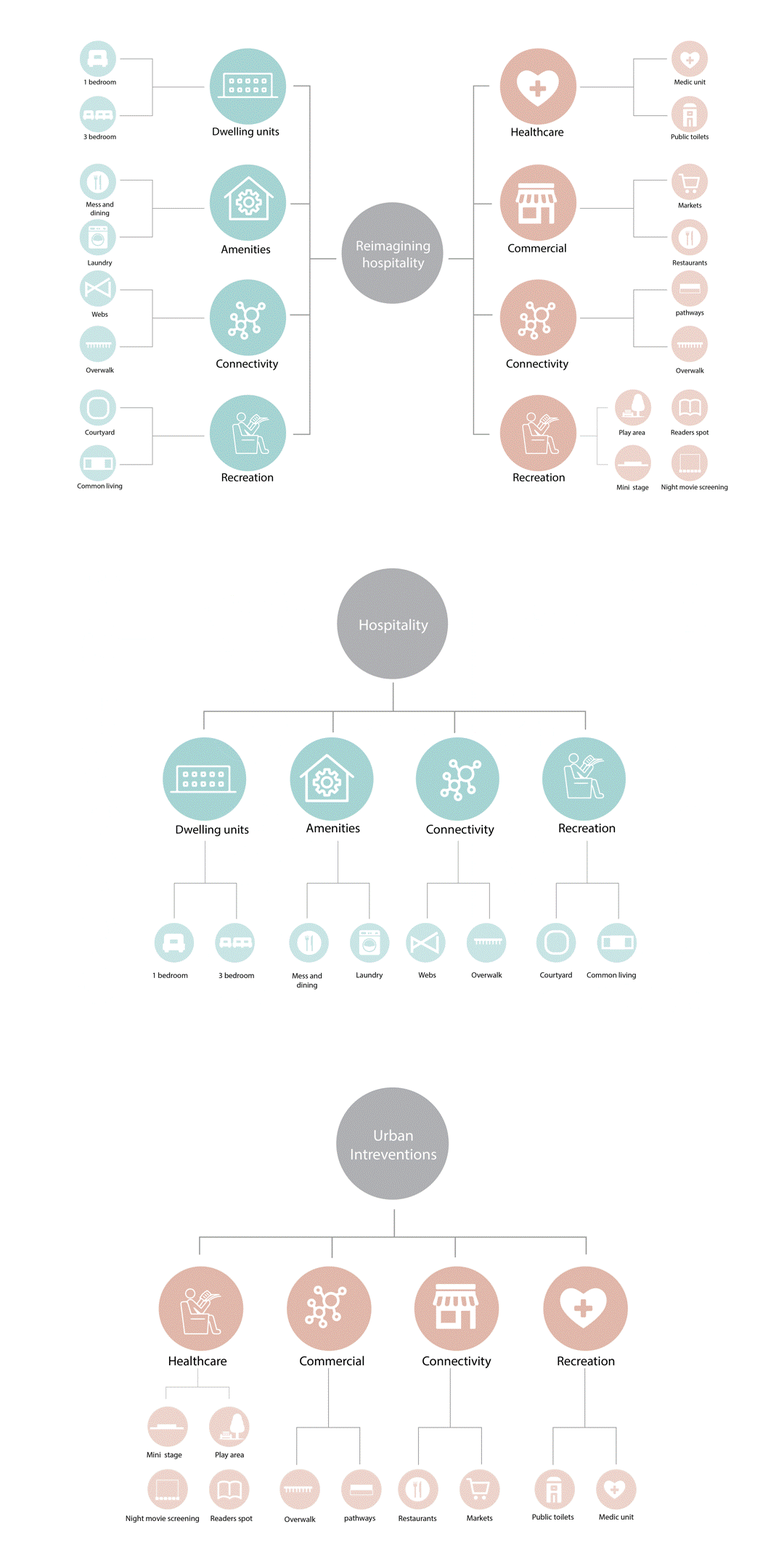
Many transit station areas remain dominated by surface parking and inactive infrastructure, limiting their potential as civic and economic anchors. This project addressed the disconnect between transit accessibility and surrounding urban life by analyzing commuter flows, spatial accessibility, and land-use inefficiencies. A modular development strategy was introduced, incorporating vertical stacking, mixed-use programming, and pedestrian-oriented circulation. The framework integrates housing modules, public plazas, healthcare units, and commercial zones while maintaining seamless connectivity to transit systems.
Results
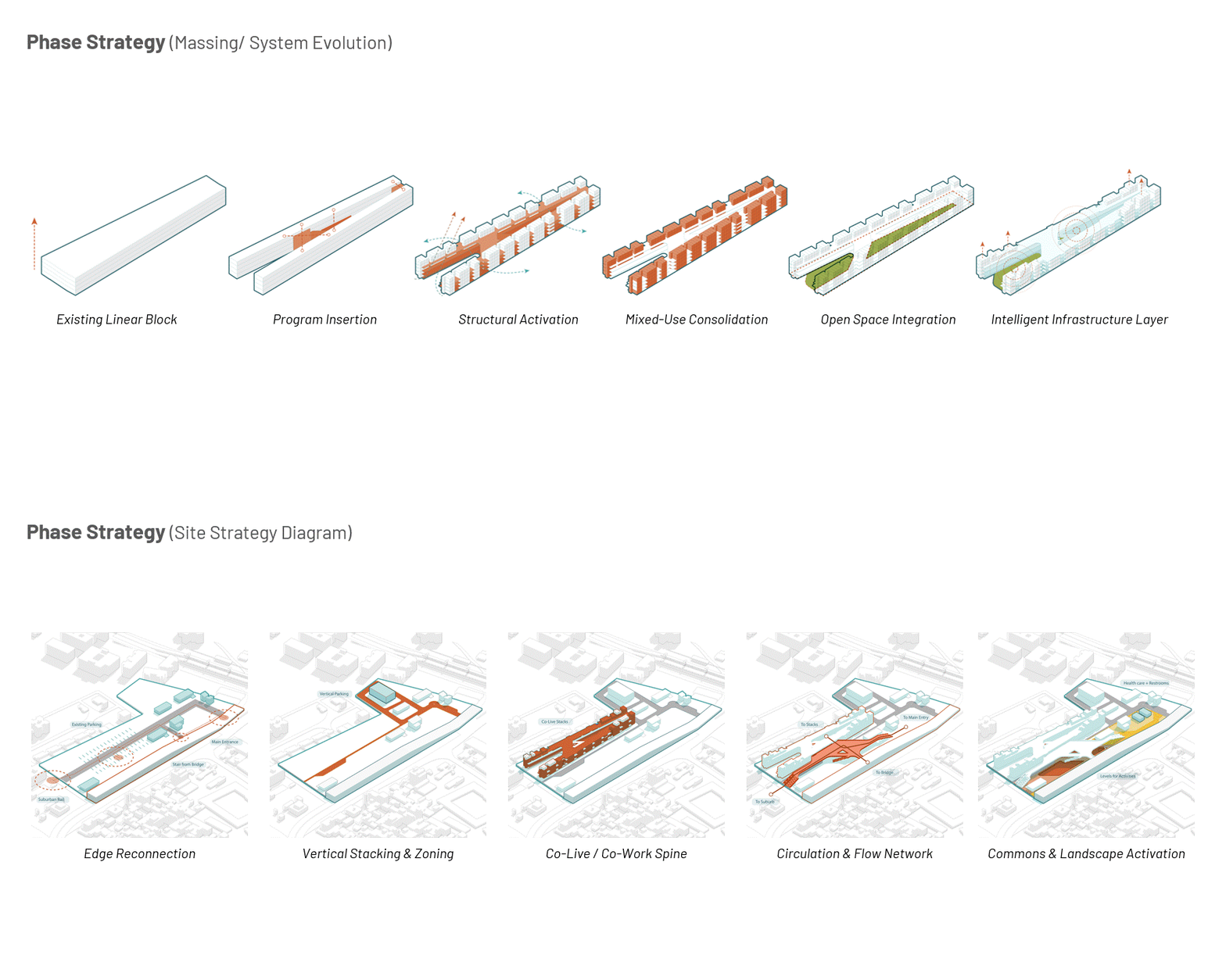
The proposal established a scalable transit-oriented prototype that reorganizes station precincts into structured activity zones, including health, recreation, and cultural areas. Modular housing units were designed for flexibility, allowing rapid deployment, expansion, and adaptation to changing needs. Spatial analysis demonstrated improved pedestrian connectivity, optimized land use, and enhanced utilization of previously underused parking areas. The design significantly increased functional density while improving environmental performance and public accessibility.
Impacts
Metro-hood presents a replicable model for transit-oriented urban regeneration, demonstrating how transportation infrastructure can support social resilience, housing access, and economic activation.
The project highlights the potential of integrating modular architecture with transit planning to create adaptable, human-centered mobility hubs. Its framework offers scalable strategies for cities addressing transit-adjacent underutilization, urban housing shortages, and the need for inclusive, transit-integrated public environments.
Want to discuss more about
this project ?