Multimodal Last-Mile Freight Route Optimization Framework in NYC
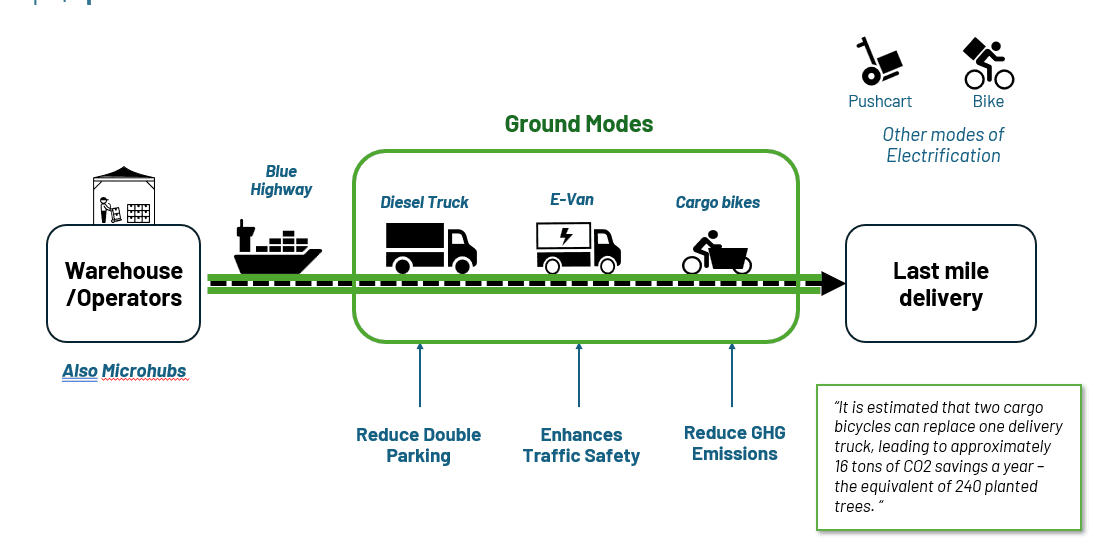
Scenario-based feasibility and optimization model comparing cargo bikes, e-vans, & diesel trucks across NYC
Independent
2025 - In progress
( Python, ArcPy. Excel, GIS )
Capstone Project - System Optimization | Modelling


Summary
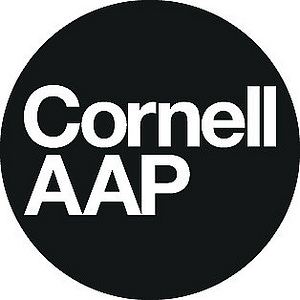
New York’s freight system moves nearly 90% of goods by truck, producing disproportionate environmental and congestion impacts in Environmental Justice neighborhoods. At the same time, city agencies and fleet operators face increasing pressure to electrify and reduce emissions.
However, mode substitution is not universally feasible. Distance thresholds, capacity constraints, congestion, service time limits, and disruptions such as EV downtime restrict the operational viability of cargo bikes and e-vans.
Approach
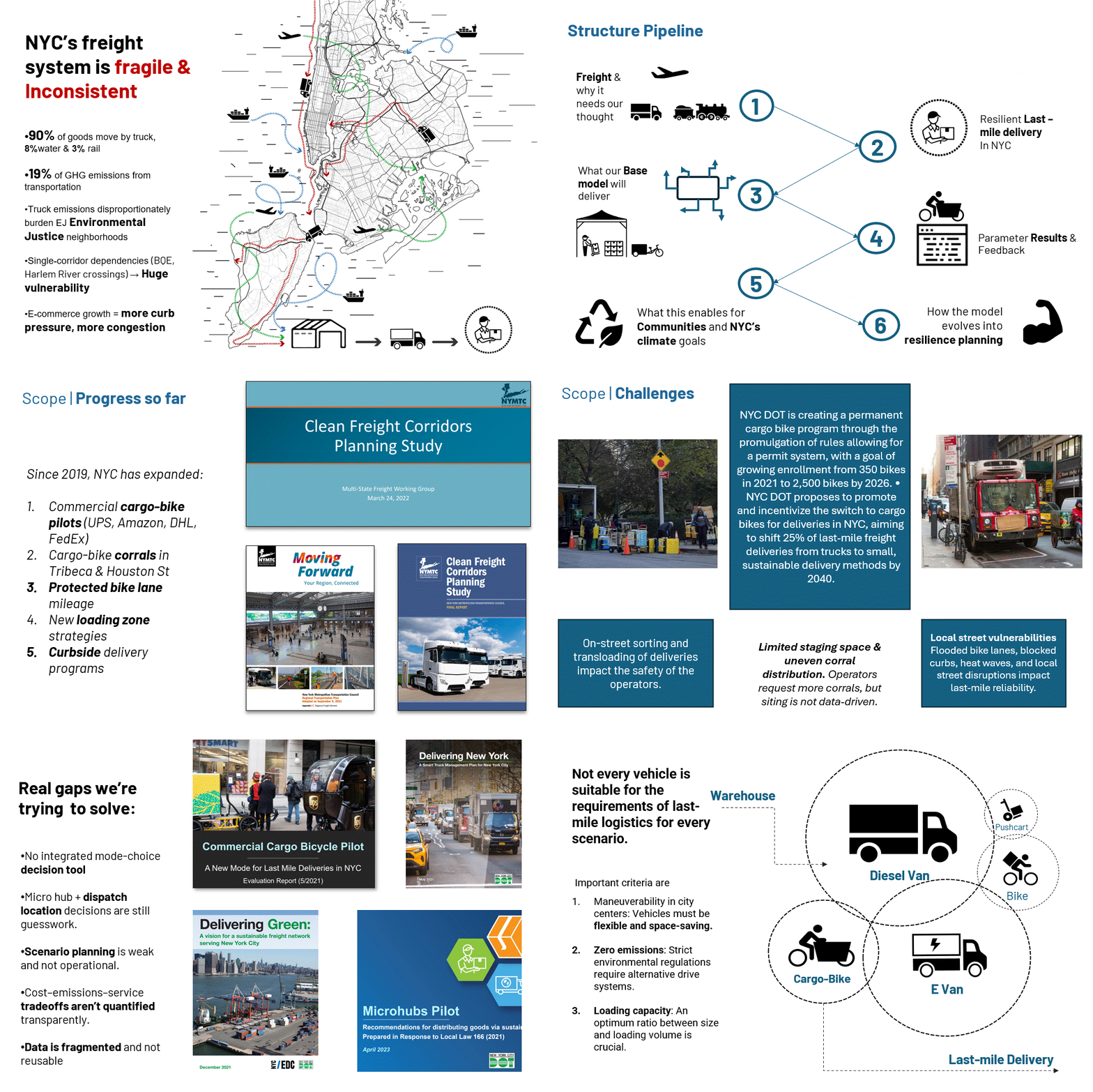
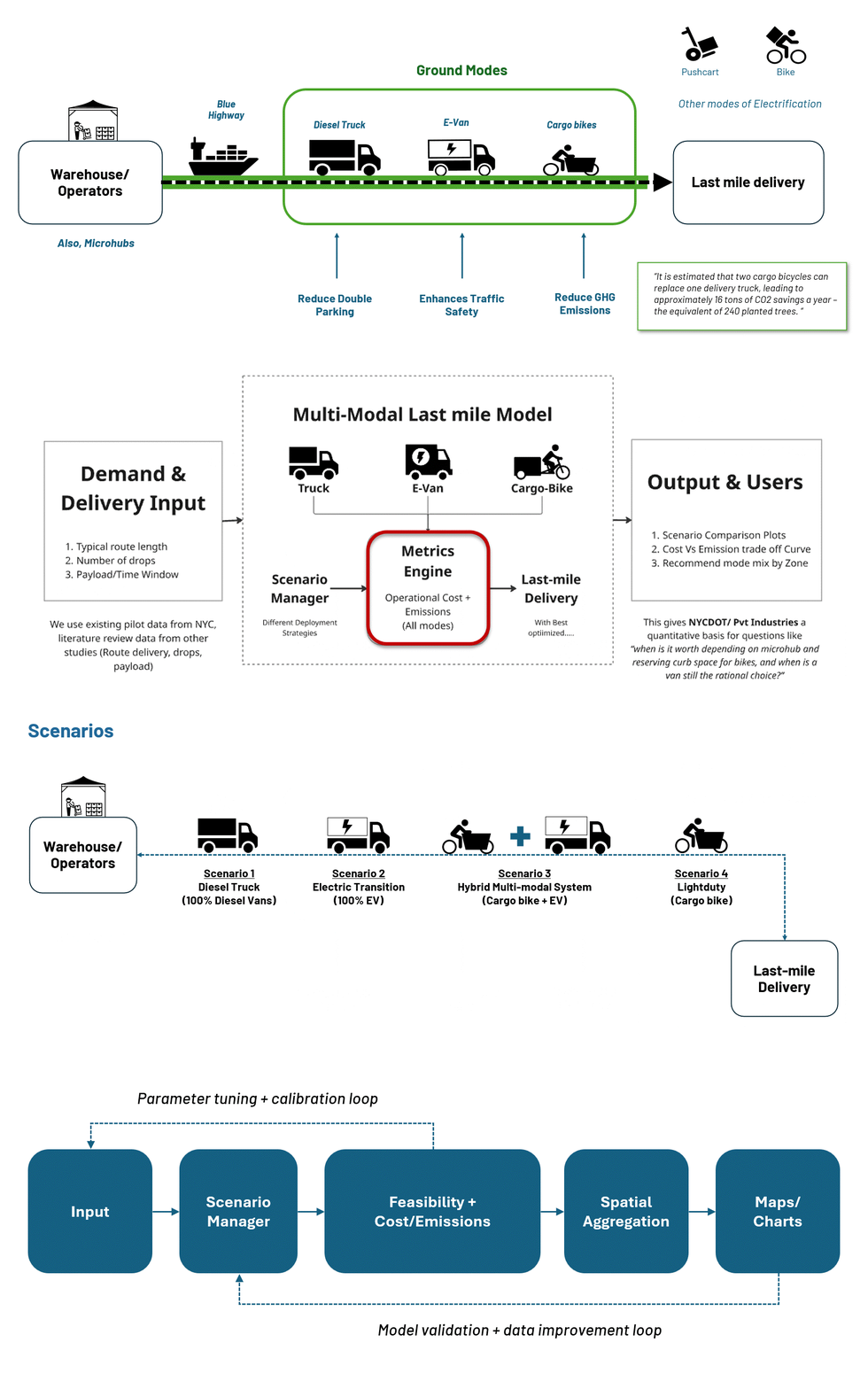
We built a scenario-based engine that evaluates cargo bikes, e-vans, and diesel trucks across NYC’s 262 zones. A constraint-first feasibility layer filters modes by distance, time, and capacity before computing cost and emissions. Results are aggregated into zone-level feasibility and best-mode maps to support planning and transition decisions.
Results
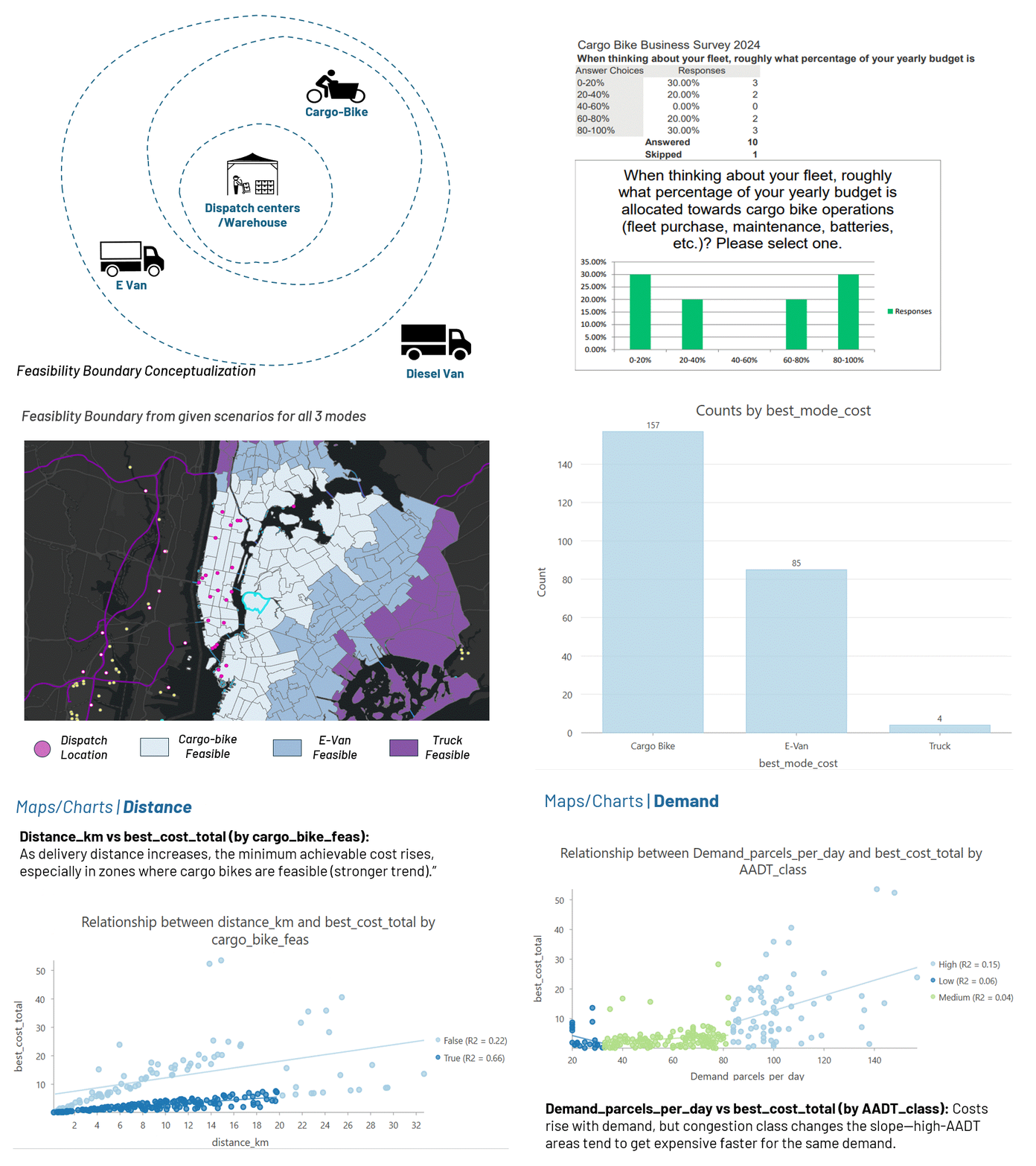
Under baseline conditions, cargo bikes emerge as the dominant mode across many NYC NTAs, particularly in dense areas with shorter delivery distances. However, this dominance shifts once operational constraints are tightened. When congestion, weather disruptions, fleet limits, safety thresholds, or extended service distances are introduced, feasibility boundaries change significantly. In these stressed scenarios, e-vans often outperform cargo bikes by sustaining longer routes and higher payload demands, while trucks remain fallback options when zero-emission targets cannot be met. The results demonstrate that mode performance is conditional and highly sensitive to real-world constraints.
Impacts
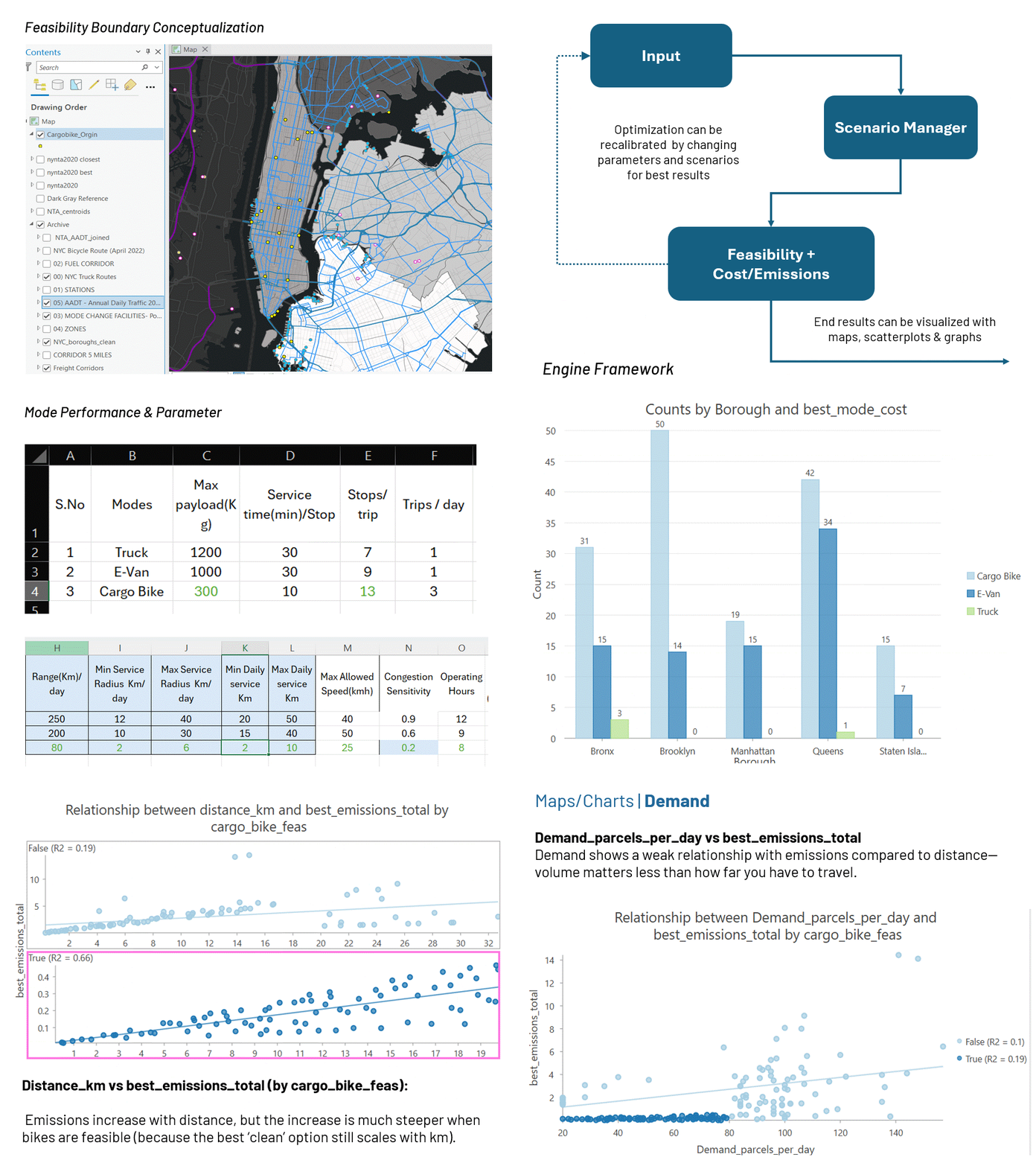
This framework transforms last-mile freight planning from static mode comparison into a constraint-driven decision tool. By embedding congestion, fleet limits, safety thresholds, disruption scenarios, and policy targets, the model reveals where zero-emission modes are operationally viable, and where they fail. Public agencies can stress-test infrastructure and emissions mandates before deployment, while private operators can evaluate fleet mix, hub placement, and cost exposure under real-world conditions. The engine aligns climate goals with operational feasibility, enabling data-grounded, scalable multimodal freight strategy.
Want to discuss more about
this project ?